Lockout Tagout Questions Answers for Interview LOTO Quiz ESquare Alliance Lockout tagout

OSHA Quiz ( 13 ) Lockout/Tagout. 10 terms. saeed_alyami95. Preview. Osha Lockout Tag out. 74 terms.. ADM 111 MSSC Lockout/Tagout. 11 terms. dhursman. Preview. Pharm 2 Exam 3. 196 terms. Madison_Jackson453.. -employees are required to remove or bypass a safety device-employees are required to place any part of their body in harms way.
Lockout Tagout Safety Quiz Answers
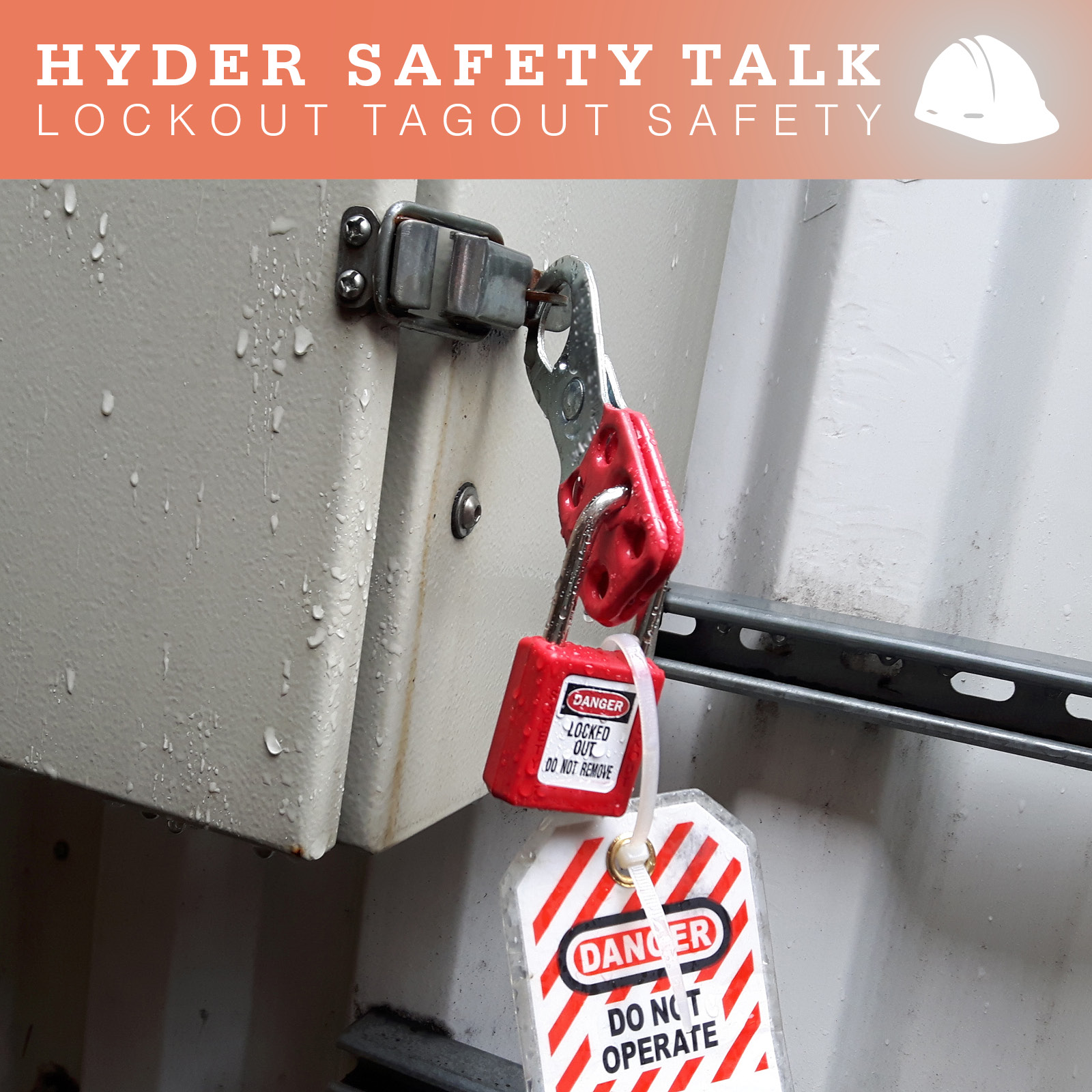
Lockout tagout is a procedure used to isolate, control and secure energy sources during maintenance and repair activities. By locking out the energy source and applying a tag, workers can be sure that the equipment cannot be operated accidentally while they are working on it. Lockout tagout procedures can vary from one organization to another.
Lockout Tagout Quiz 9 MCQ Lockout tagout, Lockout, Quiz

During the first step of the lockout/tagout procedure, planning, Joe should complete the following tasks:. OSHA Quiz ( 13 ) Lockout/Tagout. 10 terms. saeed_alyami95. Preview. Osha hazard communication global quiz. 10 terms. gabriellagarica21. Preview. Tets 2. 32 terms. miatorres08. Preview. Economics 201- Final Cumulative Exam . 194 terms.
Safety Quiz Lockout Tagout Answer Key

Lockout/Tagout Quiz Answers . 1. A Lockout Device is a device that positively prevents a machine from being: A) Started up. B) Becoming electrically energized. C) Turned on. D) All of the above 2. The employees that need LO/TO Training are? A) Authorized Employees. B) Affected Employees. C) Other employees. D) All of the Above 3.
LOTO 5 keys to effective lockout/tagout safety ISHN

3. All lockout and tagout devices must be approved by an organization and be consistent in color, shape or size a. true b. false 4. Tags and attachment devices must be able to withstand _____ pounds of force. a. 10 b. 25 c. 50 5. The first step in a lockout procedure is for the authorized worker to be familiar with the written energy
Lockout Tagout Questions Answers for Interview LOTO Quiz ESquare Alliance Lockout tagout

By offering this quiz free of charge, we hope that people will learn more about lockout-tagout safety and in turn prevent injuries and save lives.. The questions below are just a preview of what you'll be tested on in our quiz. Do YOU already know the answers? Quiz Scoreboard. Taken Correct Answers; 18,580: 69.24%: Grade Number of Tests; 90.
Lockout Tagout Quiz 4 True or False Lockout tagout, Quiz, Lockout

11. When you cannot lockout the energy isolating device of a machine, you must still attach the tagout device to it, and complete the tagout procedures. (A) True (B) False 12. The quality of the tagout device is vital in a lockout tagout procedure. (A) True (B) False 13. A tagout device must-
Pin on Lockout Tagout Quiz

Circle the best choice under each question. 1. (1Pt.)Who should be in charge of the Lockout device and tag when being used on a machine? a) Manager. b) Co-Worker. c) Person performing work on the machine. 2. (1Pt.)Out of the following, which kind of energy is not controlled through lockout tagout program? a) Electrical.
Are You Ready? We are back with our weekly quiz with some more brainstorming questions that will

Lockout/tagout establishes the maximum performance requirements for the control of such hazardous energy. False. Lockout devices and tagout devices must be : All of the above. Lockout devices must be substantial enough to prevent removal without the use of excessive force or unusual techniques, such as with the use of bolt cutters or other.
Lockout Stations Lock Out Tags Kit
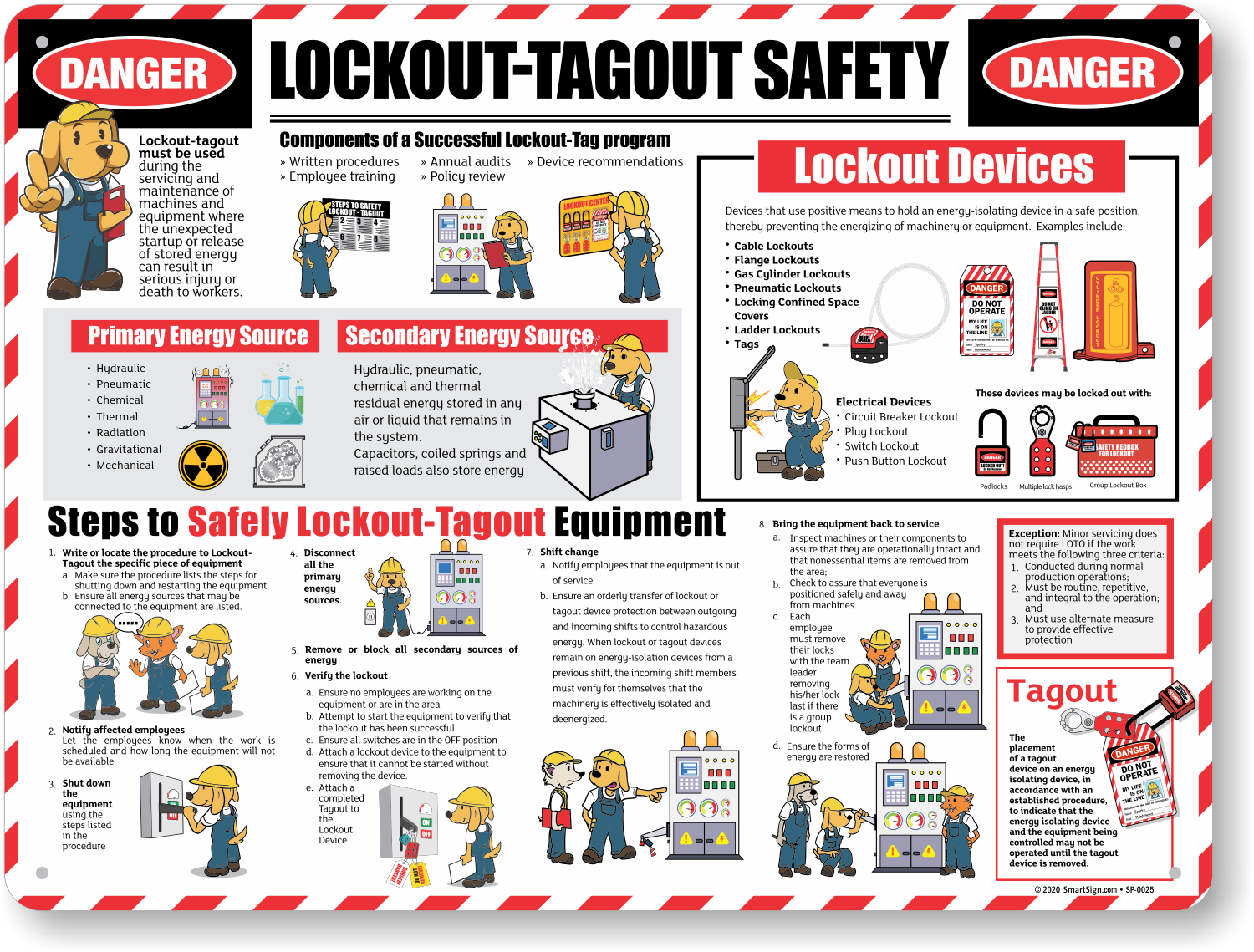
Lockout-Tagout (LOTO) is a safety procedure used in the industry to ensure that dangerous machines are properly shut off and not able to be started up again before the completion of maintenance or repair work. This is a procedure that has led to the prevention of a lot of accidents at a workshop. Test out what you know about this procedure by taking this quiz.
Tips for Lockout Tagout Training GWG
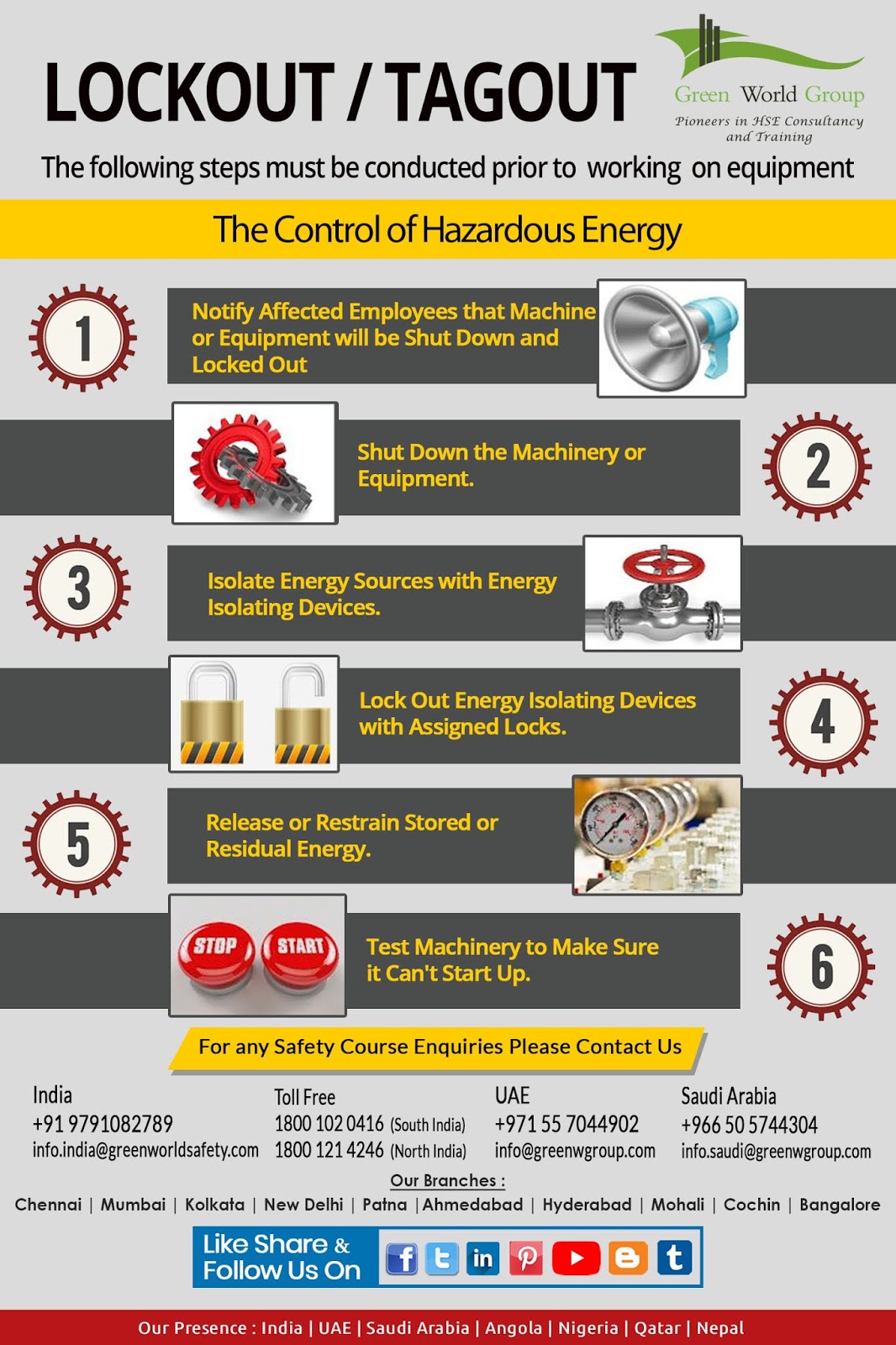
OSHA Lockout Tagout Quiz quiz for Professional Development. Find other quizzes for and more on Quizizz for free!. Show Answers. See Preview. 1. Multiple Choice. Edit. 20 seconds. 1 pt. A Lockout Device is a device that positively prevents a machine from being: Started up.
Lockout Tagout Questions Answers for Interview LOTO Quiz ESquare Alliance Lockout Tagout

3.Follow all safety procedures - All employees. 4.Develop energy control procedures - Employer. Examples of when lockout/tagout procedures are required include: -Lubricating machines or equipment. -Unjamming machines or equipment. -Making adjustments or tool changes. lockout/tagout is: A method to control energy during servicing or maintenance.
Lockout Tagout Questions Answers for Interview LOTO Quiz ESquare Alliance Lockout tagout

lockout/tagout. d. All of the above. 12. When utilizing Lockout/Tagout procedures, lockout tags should be used by themselves: a. Only when the hazard is electrical b. Only when it is impossible to use a lockout device c. In place of locks d. Both a and b 13. Lockout/Tagout name tags must: a. Be used only for the purpose of lockout/tagout b.
Safety Poster Lockout Tagout Procedures CS700841
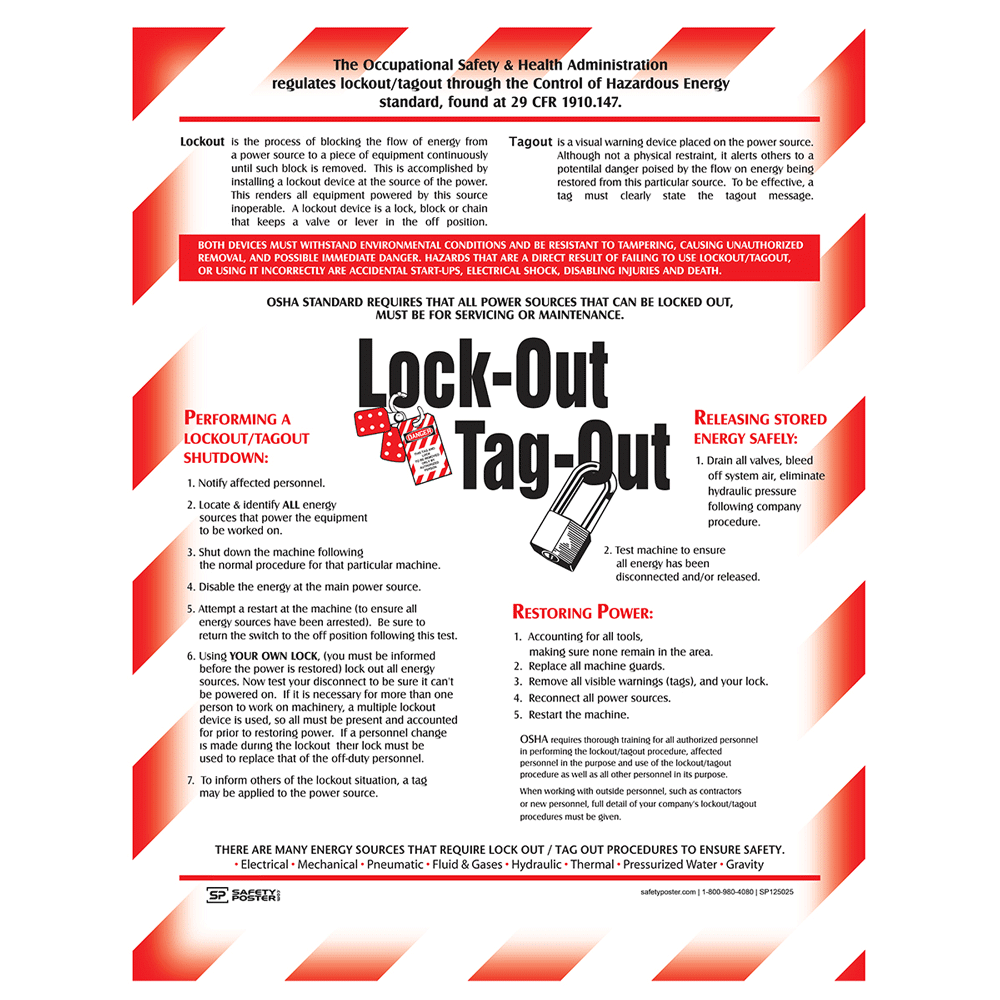
14 of 14. Quiz yourself with questions and answers for Lockout/Tagout Procedure - practice test, so you can be ready for test day. Explore quizzes and practice tests created by teachers and students or create one from your course material.
We Learn, we grow! We are ready to get started…Are you? Answer these LockoutTagoutQuestions by

Safety Quiz - Lockout Tagout Name _____ Date _____ Directions: Read each question carefully and choose the most correct answer by completely filling in the box next to the answer 1. Before starting a Lockout-Tagout you should A. Gather all your tools B. Clean the equipment
Fillable Online Quiz Answers Lockout/Tagout Affected Employees Fax Email Print pdfFiller

a) When a device or piece of equipment cannot be locked out, then the only alternative is to tagout. b) Tagout is preferred to lockout since it doesn't cause a 'false sense of security'. c) Tags are applied by hand and are meant to serve only as a warning and not as a physical restraint. d) Both a & c.